

My Story
Human-Centered Design.
I practiced human-centered design long before I had the UX vocabulary for it. I worked in beauty, where understanding what someone needed before they could say it was the whole job. I learned to translate vague wants into clear direction, build trust fast, and make decisions people could see and act on. I bring that same judgment to UI/UX now: interfaces, systems, and digital experiences built around how people actually behave.

The Chair Taught Me This
Reading people fast
Twenty years of clients taught me to read what someone needs, not just what they ask. The instinct came first, the UX method later. Now they work together: user empathy and behavioral observation, backed by training.
Translating vague wants
"Make it look fresh, but still like me." I spent two decades turning unclear requests into clear direction. That's discovery and reframing.
Working inside real constraints
Time, money, staff, the schedule falling apart at 2pm. I designed good outcomes inside real limits. That's balancing users, business, and operations.
Training the eye
Proportion, detail, what works and what's almost-right. Twenty years of trained taste now goes into hierarchy, polish, and brand.
Why UI/UX, Why Now
I already had the judgment. What I built was the digital skill set to use it. UX and UI became the next canvas for the same eye, and AI and information architecture became part of how I think about systems and workflow. Same Eye, New Canvas.
Selected Training:
· Coursera
· Skillcrush
· IxDF
How I Make Decisions
Clarity before decoration. If it's pretty but confusing, it failed.
Business goals belong in the design conversation, not bolted on after.
People shouldn't have to decode an interface to use it.
Visual identity should make a brand easy to trust and easy to remember.
AI earns its place when it cuts friction, not when it adds noise.
How I Tick
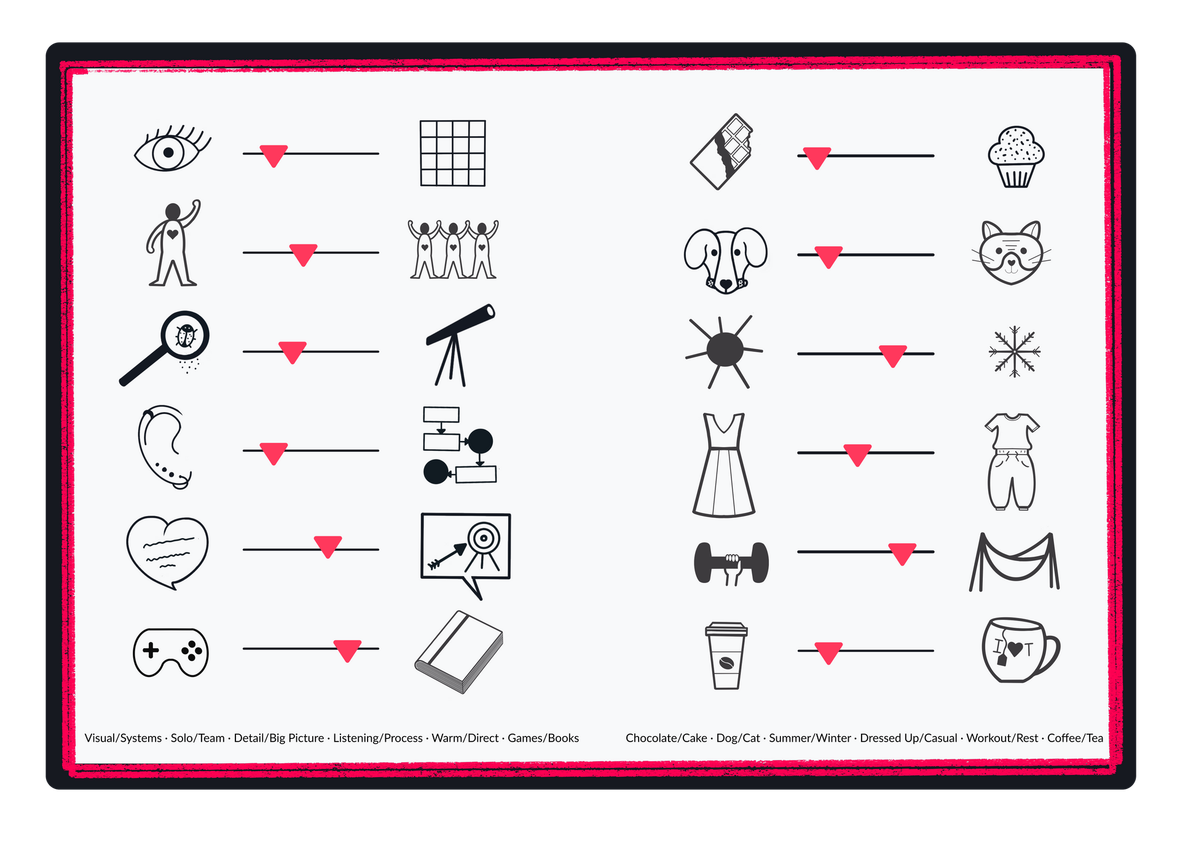
A few highly scientific personal settings.
After Hours
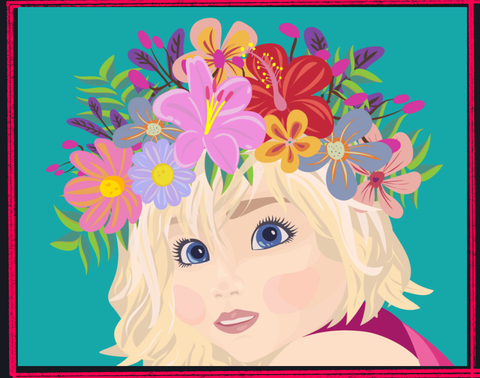
Same screen, different rules. All day it's grids, rectangles, and well-behaved neutrals. After hours, the grid loosens up: louder color, loose shapes, and characters that don't fit a style guide.